Shirakawa-go
A Historical Japanese Village
Complete Itinerary
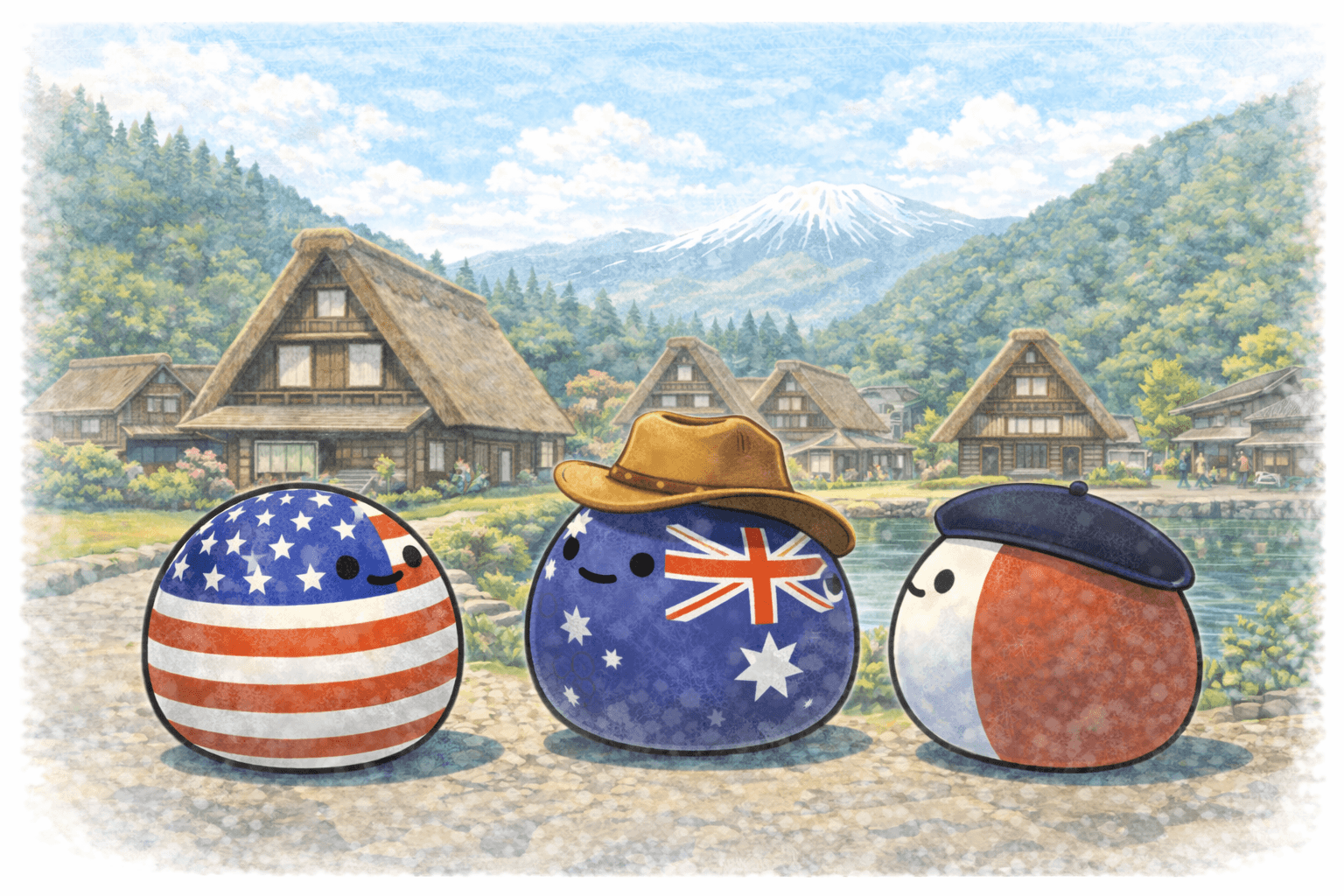
Shiroyama Tenshukaku Observation Deck
Begin your journey by taking a panoramic picture of the Shirakawa-Go village from the 'Shiroyama Tenshukaku Observation Deck.' From this elevated vantage point, you can witness the iconic 'postcard' panoramic view of the 114 'gassho-zukuri' farmhouses nestled in the valley. It is the best way to understand the village's unique layout before exploring on foot.
Wada-ke Thatched House
Step inside the Wada House (Wada-Ke House), the largest and most prestigious residential farmhouse in Ogimachi. This living museum allows you to explore the upper loft areas where silkworms were historically raised and see the massive wooden beams held together by rope rather than nails, showcasing the architectural genius required to survive heavy alpine snow.
Myozen-ji Buddhist Temple
Visit Myozen-ji, a rare Buddhist temple that features a thatched-roof bell tower and a main hall integrated with farmhouse aesthetics. The interior smells of centuries of woodsmoke from the sunken hearths, and the monk's living quarters provide a serene look at how religious and daily life blended in this remote mountain community.
Food Cooked on a Irori Hearth
For lunch, seek out a local restaurant featuring an 'Irori' or open charcoal hearth. A local specialty is Hida Beef or wild vegetables grilled on a dried magnolia leaf with savory sweet miso paste (Hoba Miso). The smoke from the hearth is not just for ambiance—it historically helped preserve the thatched roofs from rot and insects.
Deai-Bashi: Suspension Bridge
Conclude your walk by crossing the Deai Suspension Bridge, which spans 107 meters over the crystal-clear 'Sho' River. The name translates to 'Meeting Bridge,' and it serves as the main gateway to the village. The swaying walk offers a final, breathtaking view of the riverbanks and the surrounding forest-covered peaks.
Local Knowledge
Cash is King! Make sure to bring cash so that you can still pay when the shops don't accept cash. Many rural places don't accept credit cards in Japan.
Kawagoe
An Old-Style Japanese Neighborhood

Complete Itinerary
Toki no Kane (''Bell of Time'')
The 'Bell of Time' is the soul of Kawagoe, originally built in the early 1600s by the local lord. Though rebuilt after the Great Fire of 1893, it still stands 16 meters tall and rings four times a day (6am, 12pm, 3pm, 6pm). Standing beneath its wooden tower at noon offers a hauntingly beautiful sound that has marked the passage of time for centuries.
Kurazukuri Street
Walk through the main warehouse district where the buildings (Kurazukuri) feature thick, black-plastered walls and heavy fireproof doors. These were the high-tech fireproof 'safes' of the Edo period, built by wealthy merchants to protect their goods. Today, they house chic boutiques and traditional craft shops that retain a 19th-century atmosphere.
Kashiya Yokocho: ''Candy Alley''
Kashiya Yokocho is a nostalgic stone-paved street lined with shops selling traditional Japanese sweets. You cannot miss the giant meter-long 'Fugashi' which is a light, crispy wheat bran snack coated in brown sugar. The scent of cinnamon and caramelized sugar in the air is officially recognized by the Japanese government as one of the '100 Most Fragrant Places' in the country.
Kawagoe Hikawa Shrine
Known as the shrine of 'En-musubi' (love and matchmaking), Hikawa is famous for its beautiful wind-chime tunnel in summer. Instead of drawing paper fortunes, you 'fish' for your fortune using a small rod to catch a colorful Tai (sea bream) figurine. It is a playful and deeply photogenic spiritual stop that is popular with locals and travelers alike.
Kita-in Temple
Visit the temple that contains some of the oldest remaining palace buildings from the original Edo Castle. The highlight here is the 500 statues of ''Rakan'' which represent the disciples of Buddha. Each are carved with a completely unique facial expression. Legend says if you visit at night and touch the statues, the one that feels warm will be the one that resembles your parents.
Local Knowledge
Kawagoe is close to Tokyo so it is a nice place to visit even for half a day. You can board a train from Ikebukuro and only takes about 30 minutes.
Miyama
The Town Hidden in the Mountains of Kyoto

Complete Itinerary
Red Post Box
Begin your walk at the iconic vintage red post box at the entrance of Kayabuki no Sato. This is the village's most famous photo spot, offering a perfect alignment where the bright red of the cast-iron box contrasts against the weathered grey of the thatched roofs and the deep green of the Kyoto mountains.
Folk Museum
Explore the Miyama Kayabuki Zenran Museum to see the skeleton of a thatched roof from the inside. You can climb into the attic space to inspect the intricate lattice of bamboo and rope that holds the heavy pampas grass in place, explaining the traditional 'Yui' system of village labor-sharing.
Indigo Museum
Visit Shizushi-ji, the Little Indigo Museum, run by artist Hiroyuki Shindo. Housed in a 200-year-old farmhouse, the studio features deep vats of natural fermenting indigo buried in the floor. You can see rare blue textiles from around the world and witness how the local climate affects the dye.
Yura River
Take a meditative stroll along the banks of the Yura River, which provides the lifeblood for the village's agriculture. The water is so pure that it is home to giant salamanders and sweetfish. In the autumn, the riverbanks explode into a vibrant display of red and gold Japanese maples.
Milk Studio
Conclude your visit at the Miyama Milk Studio. Miyama is famous throughout Kansai for high-quality dairy. Reward yourself with a scoop of handmade gelato or soft-serve made with milk processed just hours earlier. The 'Kurumi' (walnut) flavor highlights the region's forest bounty.
Local Knowledge
Check bus times! Busses back to Kyoto are rare; missing the 4 PM bus often means an unplanned overnight stay.
Kurashiki
The Town of Canals in Okayama Prefecture

Complete Itinerary
Canal Walk
Start your morning by wandering the stone-paved paths of the Bikan Historical Quarter. This area was a critical hub for rice distribution during the Edo period. The canal is lined with weeping willow trees and 'Kura'—traditional storehouses with distinctive white walls and black tiles.
Ohara Museum of Art
Visit the first museum of Western art in Japan, a stunning neoclassical building. Inside, you will find an incredible collection including El Greco’s 'Annunciation' and masterpieces by Monet and Matisse, founded by a local textile tycoon to bring global culture to his rural hometown.
Kurashiki Ivy Square
Walk through Ivy Square, a repurposed red-brick complex that served as Japan's first modern cotton mill. The ivy was originally planted to regulate the temperature inside the factory. Today, the courtyards house ceramic studios, a textile museum, and craft workshops.
Punt Boat Ride
Board a traditional 'Kawafune' punt boat for a twenty-minute tour of the canal. As the boatman uses a long pole to navigate, you will glide under low stone bridges and get a unique 'water-level' view of the historic architecture while hearing local legends about the canal carp.
Denim Street
Explore Kurashiki's modern legacy: high-end denim. The nearby Kojima district is the birthplace of Japanese jeans, and the shops here sell world-class indigo-dyed garments. You can even find quirky 'blue' snacks like indigo-colored soft serve ice cream.
Local Knowledge
Visit at twilight. The lighting design uses soft, warm lanterns to illuminate the white walls, creating a magical atmosphere without the daytime crowds.
Magome-juku
The Town on the Nakasendo Trail
Complete Itinerary
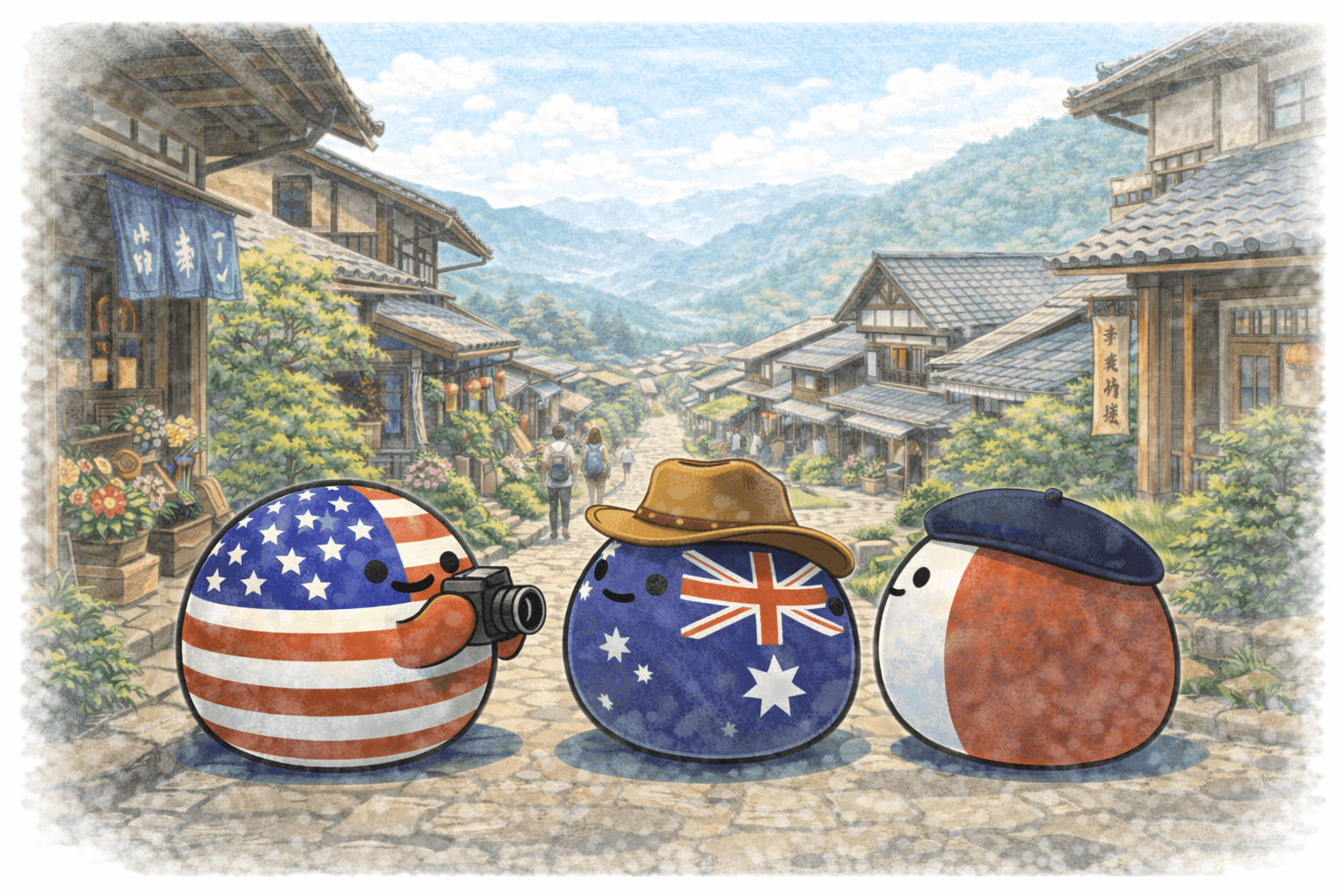
Steep Entry
Begin your ascent up the famously steep, winding stone path (ishidatami). Unlike many other post towns, Magome is built on a sharp incline, requiring the path to curve in a 'masugata' (crank-shape) pattern—a defensive design intended to slow down invading samurai.
Water Wheel
Stop by the massive wooden water wheel near the village center. This functioning wheel is a symbol of the town's engineering history, once used to grind grain for travelers. The sound of the rushing water provides a rhythmic soundtrack that echoes through the narrow alleyways.
Tea House Break
Take a rest and order 'Gohei Mochi.' This local specialty consists of pounded rice on a flat wooden skewer, coated in a thick, savory paste made from walnuts, sesame seeds, and miso, then grilled over charcoal. It was a high-energy snack for ancient pilgrims.
Magome Lookout
Continue to the top of the village to reach the observation platform. On a clear day, you are treated to a magnificent unobstructed view of Mount Ena. This spot marks the transition from the 'civilized' post town to the wilder mountain trail leading toward Tsumago.
The Samurai Trail
If you have the stamina, begin the 8-km hike toward Tsumago-juku. This section of the Nakasendo is one of the best-preserved trails in Japan, taking you through cypress forests and past hidden waterfalls. There are bell stations along the way to ward off mountain bears.
Local Knowledge
Wear sturdy hiking shoes. While the village path is paved with stones, they are historic, uneven, and can be extremely slippery when wet.
Ouchijuku
An Old Post-Station Town in the North
Complete Itinerary
Main Street
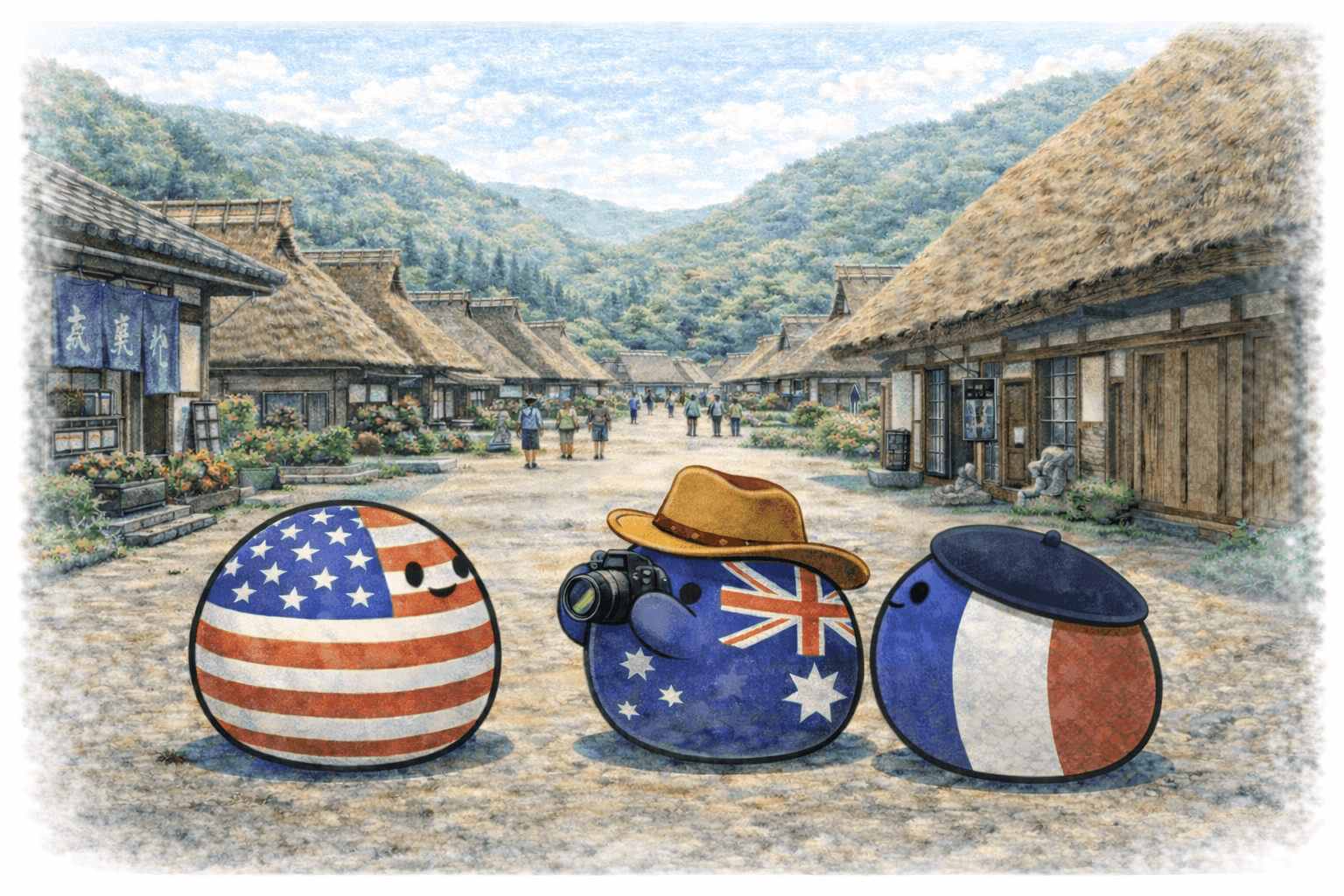
Step back into the 1600s as you walk down the wide, unpaved main thoroughfare. The road is lined with over 30 massive thatched-roof houses, and there are no power lines or modern roads in sight, as residents fight to keep the 'dirt road' aesthetic for historical accuracy.
Shrine Lookout
Climb the steep, narrow wooden stairs leading to the temple lookout. From this height, you can look down the straight line of the main street and see the perfectly uniform symmetry of the thatched roofs. It is the most famous view in Fukushima prefecture.
Negi Soba Lunch
Try the signature 'Negi Soba.' Buckwheat noodles are served in broth, but instead of chopsticks, you use a single, large, curved green leek (negi) to hook the noodles. The challenge is to eat the noodles while taking small bites of the onion for spice.
Hearthside Tea
Many buildings allow you to sit around the 'Irori' (sunken hearth). Because Ouchijuku is in the cold highlands, these fires burn year-round. Enjoy a cup of roasted hojicha while watching the smoke rise through the rafters, which naturally preserves the roof thatch.
Akabeko Shopping
Browse the stalls for an 'Akabeko'—a red papier-mâché cow with a bobbing head. This mascot of the Aizu region represents resilience and health. Buying one here supports local Fukushima artisans who have hand-painted these charms for generations.
Local Knowledge
Arrive before 10:00 AM. By midday, large tour buses arrive, and the narrow main street becomes very crowded, making it difficult to get clear photos.
Takayama Old Town
A Traditional Town Hidden in the Mountains of Gifu
Complete Itinerary
Miyagawa Morning Market
Start early at the riverside market. Browse stalls run by local farm women selling 'Sarubobo' dolls, fresh pickles, and seasonal fruits. It is one of the oldest morning markets in Japan and offers a glimpse into the region's agricultural heart.
Sanmachi Suji
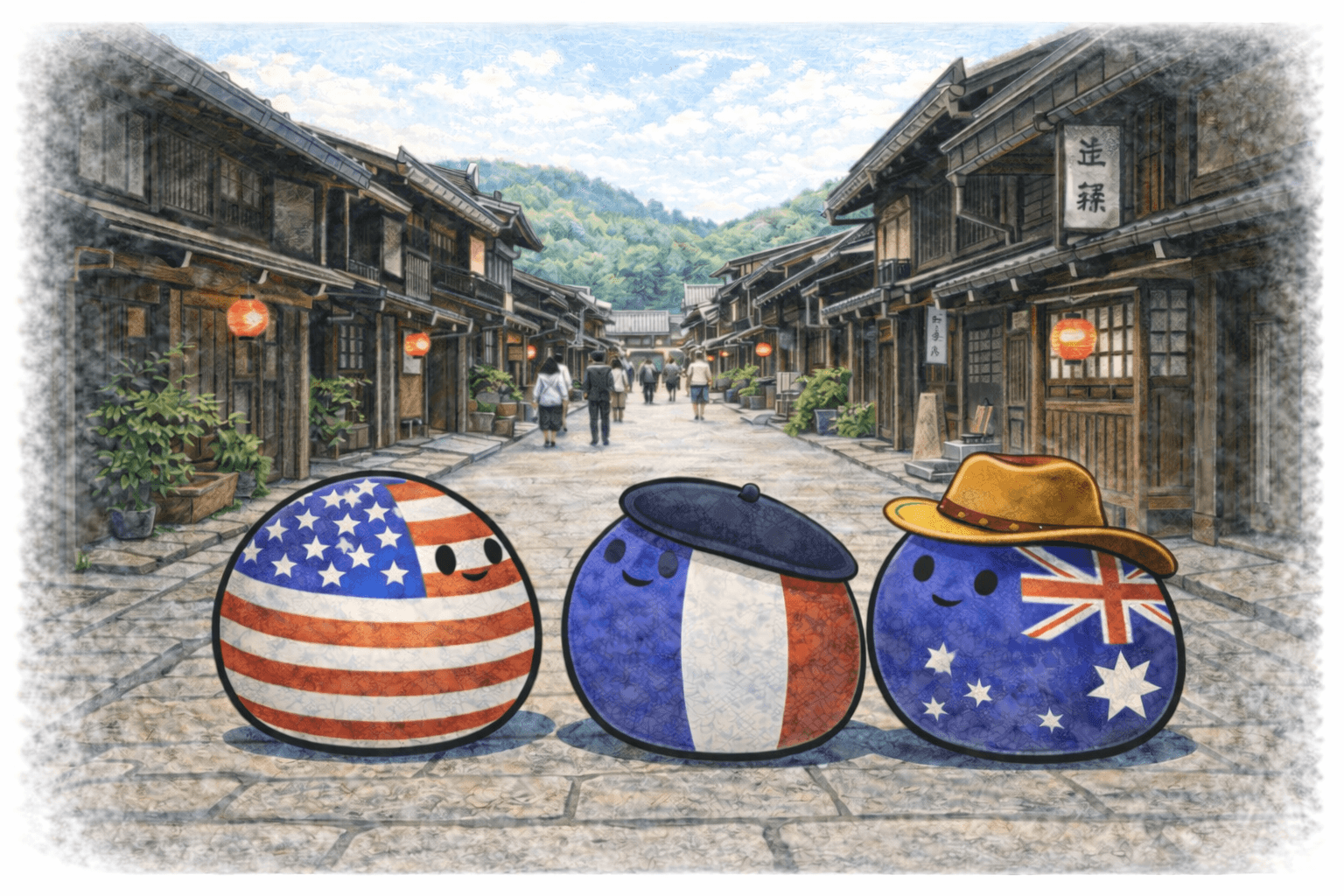
Wander through the three main streets of the old town. These dark-wood merchant houses date back to the Edo Period. Look for the 'Sugidama' (cedar balls) hanging over doorways, which signal that a fresh batch of sake has been brewed.
Sake Brewery Tasting
Enter one of the historic breweries like Harada or Funasaka. For a few hundred yen, you can buy a small 'choko' cup and sample various local sakes, ranging from dry 'karakuchi' to sweet 'amakuchi' varieties brewed with crisp mountain water.
Takayama Jinya
Visit the only remaining Edo-period government office in Japan. Explore the cold, tatami-matted rooms where officials once collected rice as tax and the interrogation rooms where local disputes were settled under the Shogunate's rule.
Hida Beef Nigiri
End your tour by lining up for Hida Beef Nigiri served on a shrimp cracker 'plate.' The marbled beef is lightly torched and melts in your mouth—a perfect high-end snack that honors Takayama's culinary prestige.
Local Knowledge
Visit during the Takayama Festival (April or October) to see the massive, ornate floats, but book accommodation at least 6 months in advance.
Kyoto Gion
The Most Iconic Japanese Old-Town

Complete Itinerary
Hanamikoji Street
Walk the most famous street in Gion, lined with 'Machiya' teahouses. This is where Geiko and Maiko entertain guests. Visit in the early evening when the lanterns flicker to life and the wooden 'Koshi' windows create beautiful patterns of light.
Kennin-ji Temple
Escape the crowds at Kyoto's oldest Zen temple. View the massive 'Twin Dragons' painting on the ceiling of the Dharma Hall and sit quietly by the 'Circle, Triangle, Square' garden, which represents the basic forms of the universe.
Shirakawa Canal
Stroll along the willow-lined canal in the Gion-Shirakawa area. This is the more peaceful side of Gion, featuring high-end restaurants overlooking the water. It is particularly beautiful during cherry blossom season when the trees overhang the stream.
Yasaka Shrine
Visit the 'Gion-san' shrine that guards the district. The central dance stage is lit by hundreds of lanterns at night, each bearing the name of a local business. It is the heart of the Gion Matsuri, Japan's most famous festival.
Gion Corner
Watch a short performance of seven traditional arts, including tea ceremony, koto music, and Kyogen comedy. It is a great introduction to Japanese high culture for those who don't have time for a full-length Kabuki play.
Local Knowledge
Respect the 'No Photography' signs on private side alleys. Taking photos of Maiko without permission is strictly prohibited to protect their privacy and work environment.