





Japan Self Guided Tours and Guides

Skip the stress, avoid tourist traps, and explore Japan at your own pace with curated self-guided routes across cities, countryside, onsens, and beyond.

What to do in Japan
Japan travel tours

Forget Planning...
Just Show Me Where to Go!

Select what kind of trip you want to have in Japan

Country mascots tours
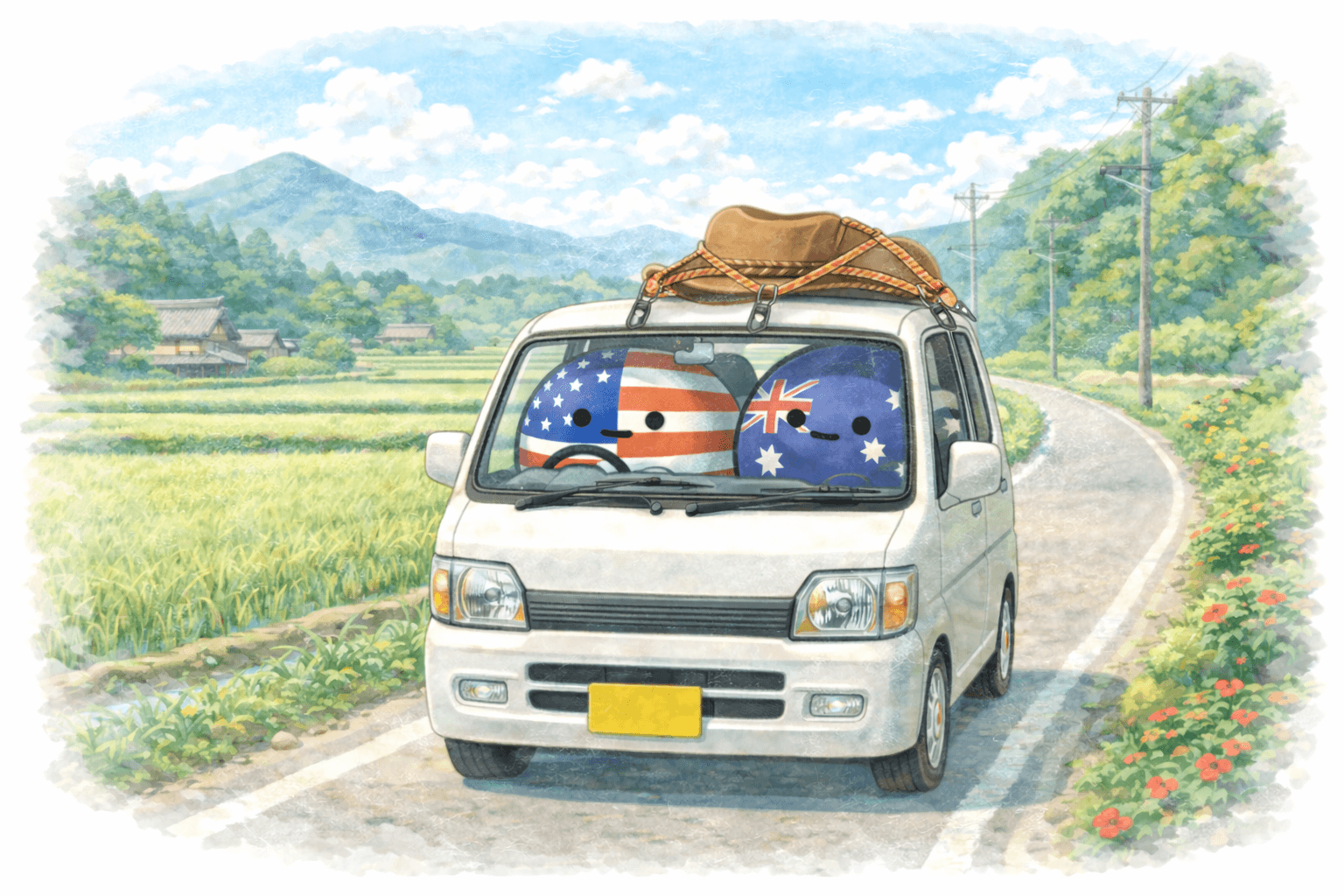
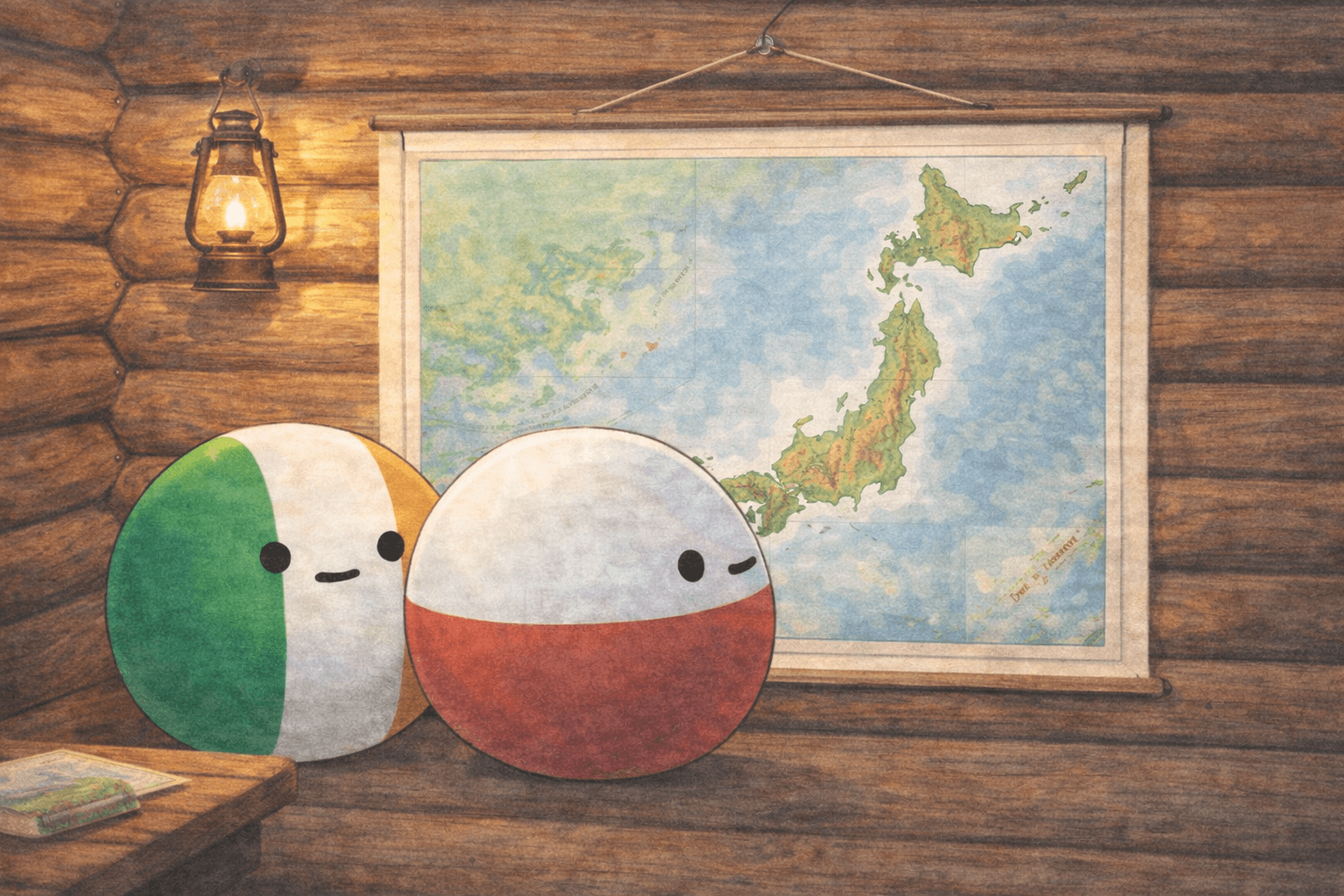
Rural Japan & Medieval Towns

Rural Japan & Medieval Towns

These tours let you explore rural Japan as well as some cool medieval Japanese towns that still retain their ''old'' look!

VIEW TOURSFree Self-Guided Tours and Guides
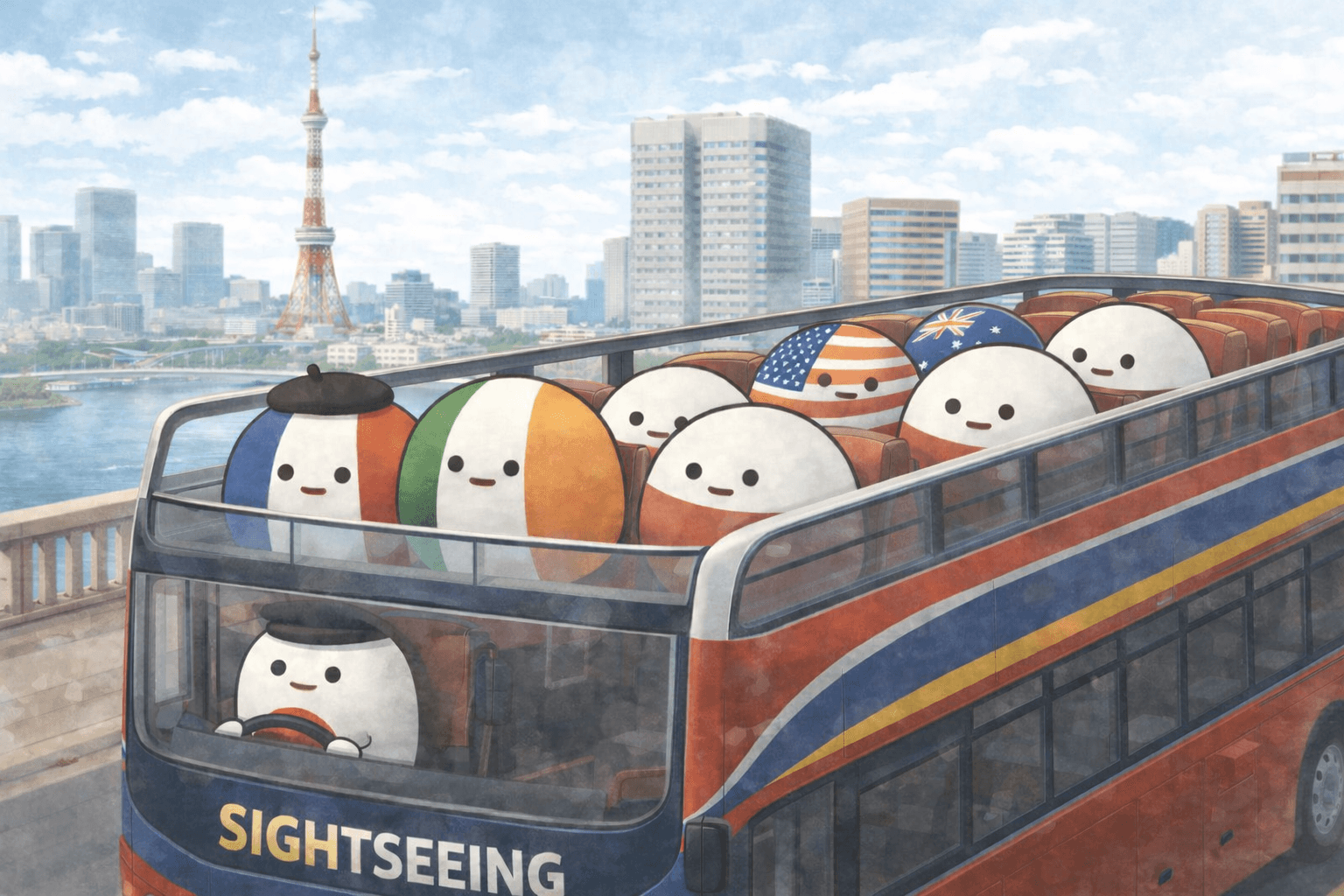
City Tours

City Tours

Neon lights & hidden alleys around Tokyo and Osaka and other big cities

VIEW TOURSFree Self-Guided Tours and Guides
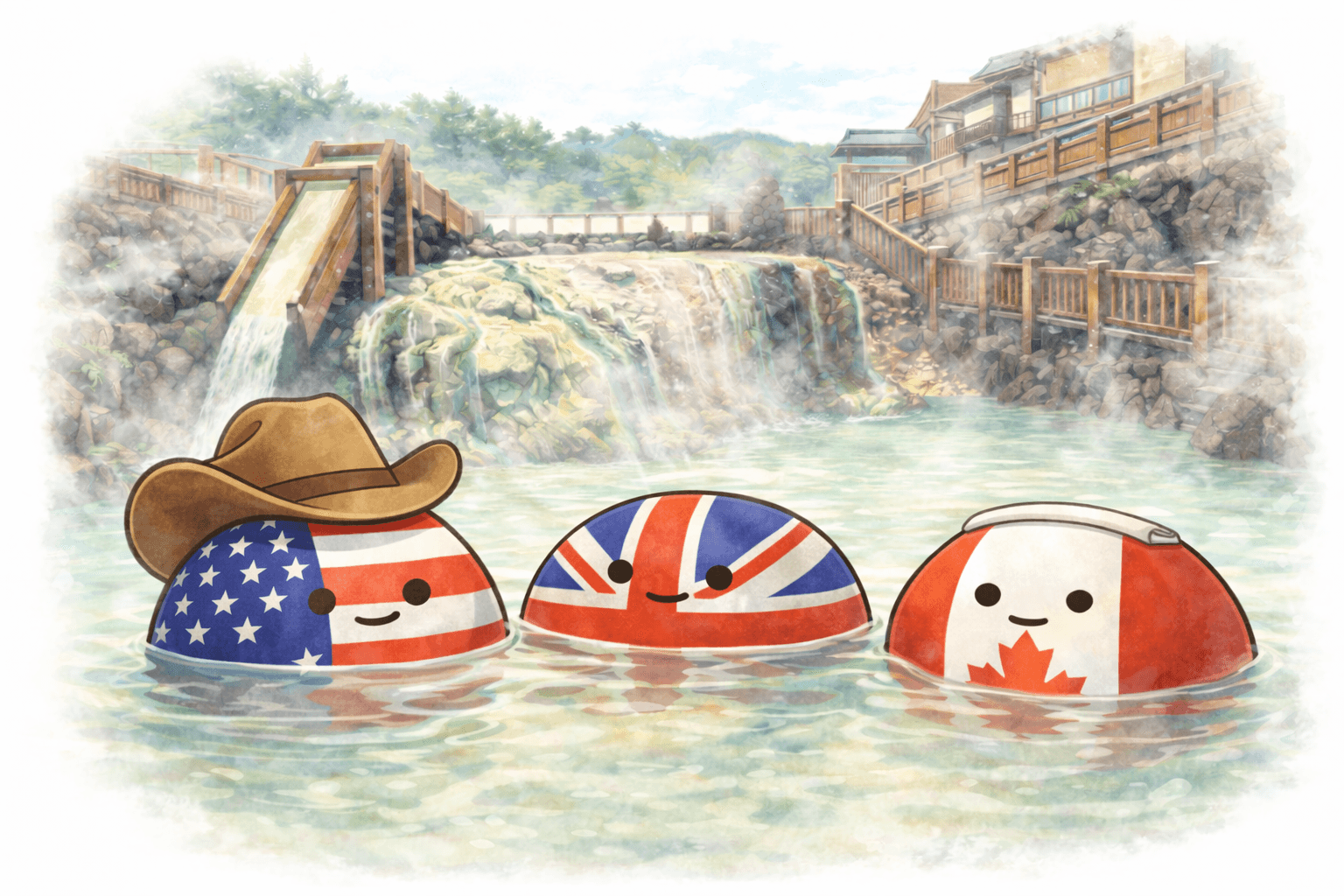
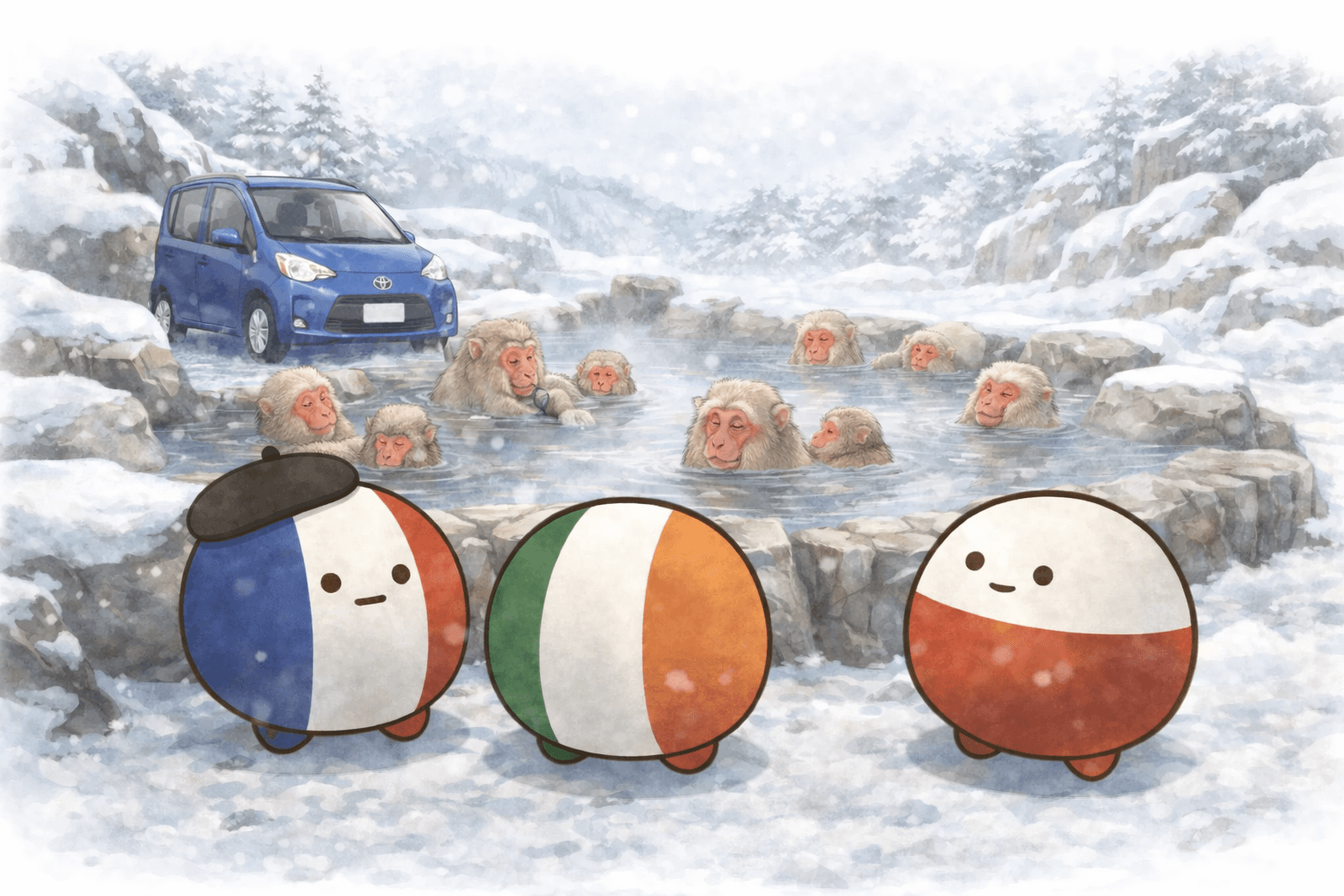
Onsens (Hotsprings) and Saunas

Onsens (Hotsprings) and Saunas

Explore Japanese hotsprings across Japan and hotspring towns with a nice, relaxing vibe.

VIEW TOURSFree Self-Guided Tours and Guides
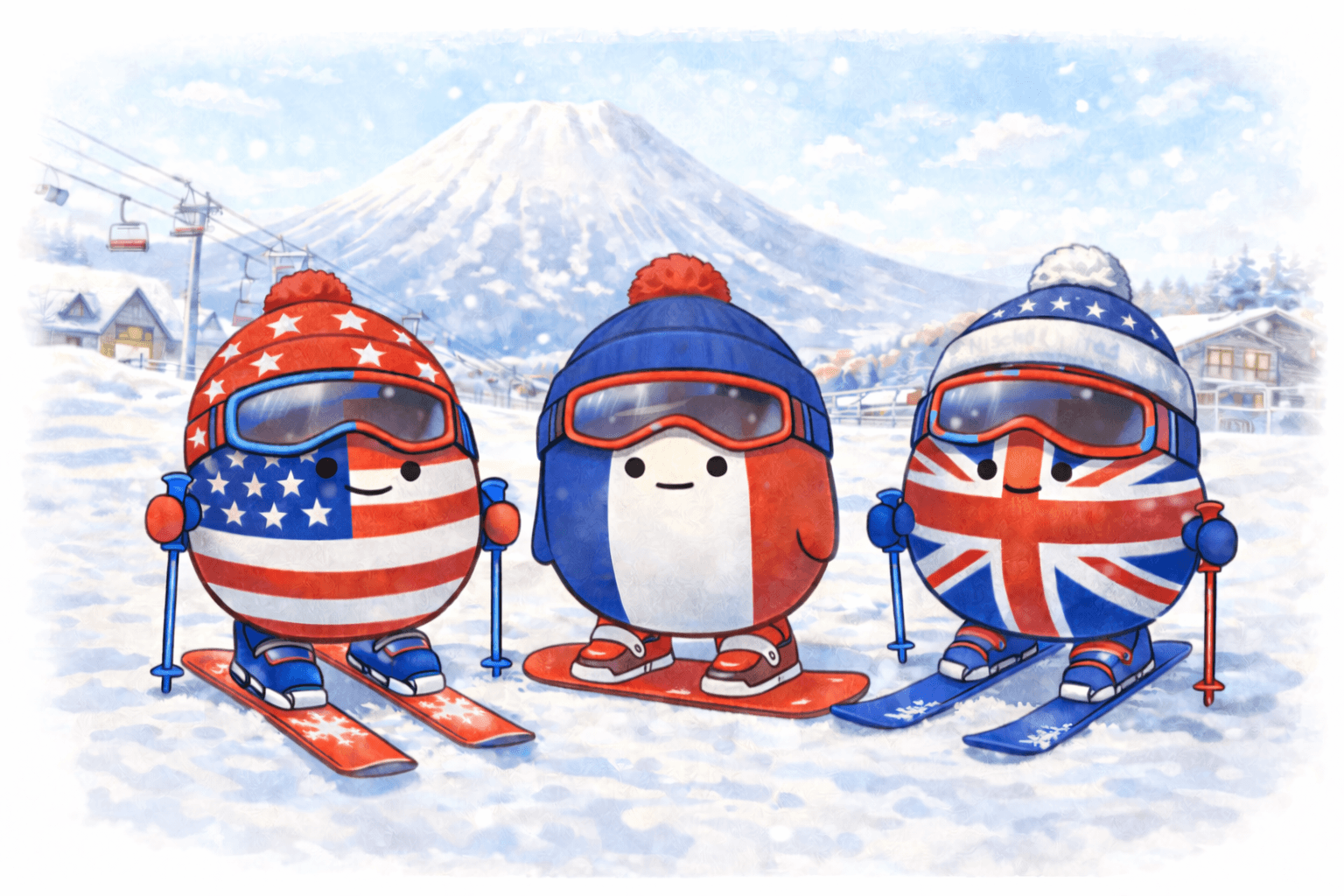
Ski and Snowboard

Ski and Snowboard

World-class powder in Niseko, Hakuba, and other Japanese Ski Resorts

VIEW TOURSFree Self-Guided Tours and Guides
Winter Season Spots

Winter Season Spots

Nice little Japanese snow towns that offer unique vibes during the winter in Japan

VIEW TOURSFree Self-Guided Tours and Guides
Weird and Interesting Things

Weird and Interesting Things

Explore super quirky or interesting things all around Japan

VIEW TOURSFree Self-Guided Tours and Guides
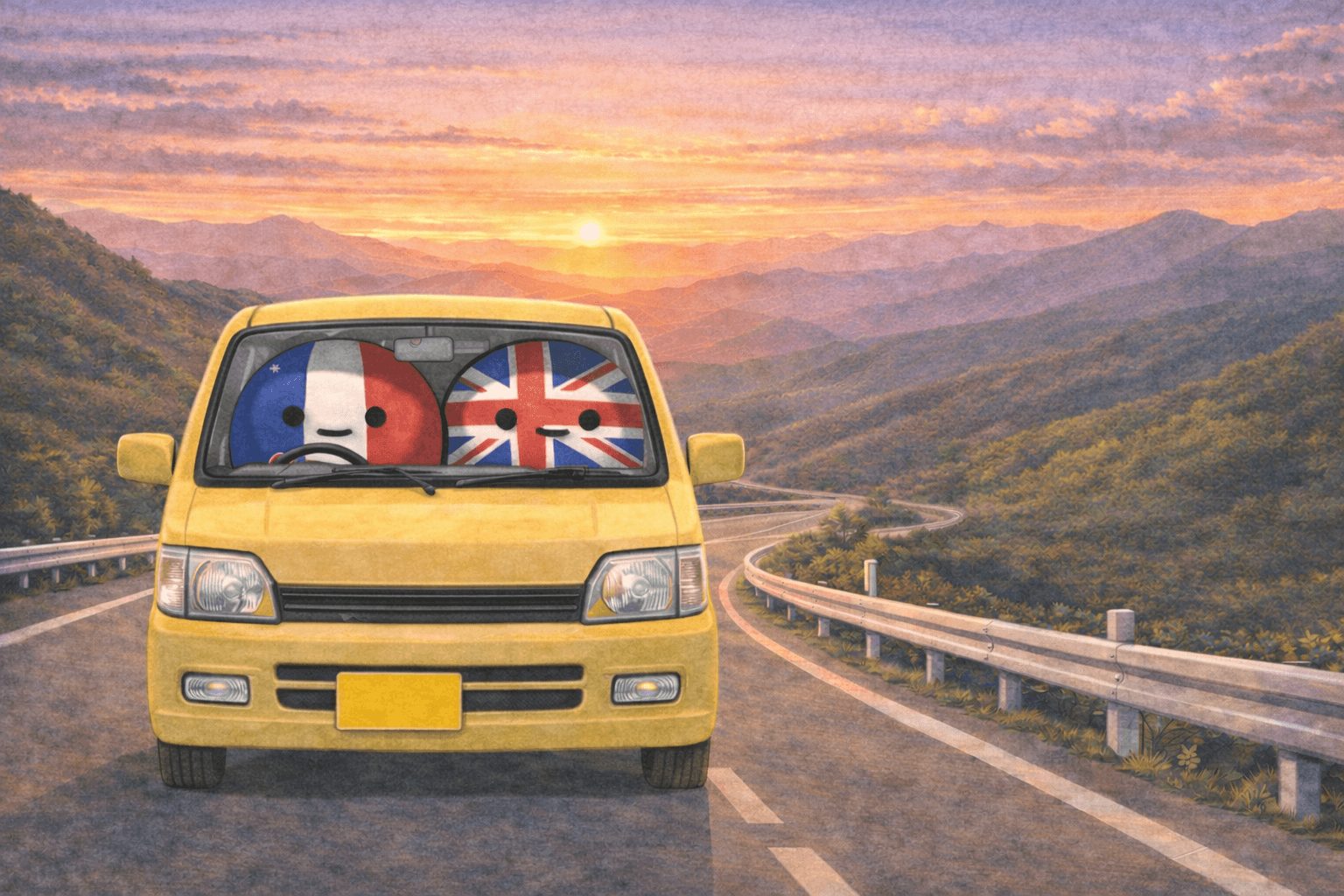
Driving Roads

Driving Roads

If you have an international license, you can rent a car and go on the most insane road trips in Japan.

VIEW TOURSFree Self-Guided Tours and Guides
Best Places by Prefectures

Best Places by Prefectures

Explore what to do in each prefecture of Japan! We have self-guided tours for every single prefecture in Japan (all 47 of them).

VIEW TOURSFree Self-Guided Tours and Guides
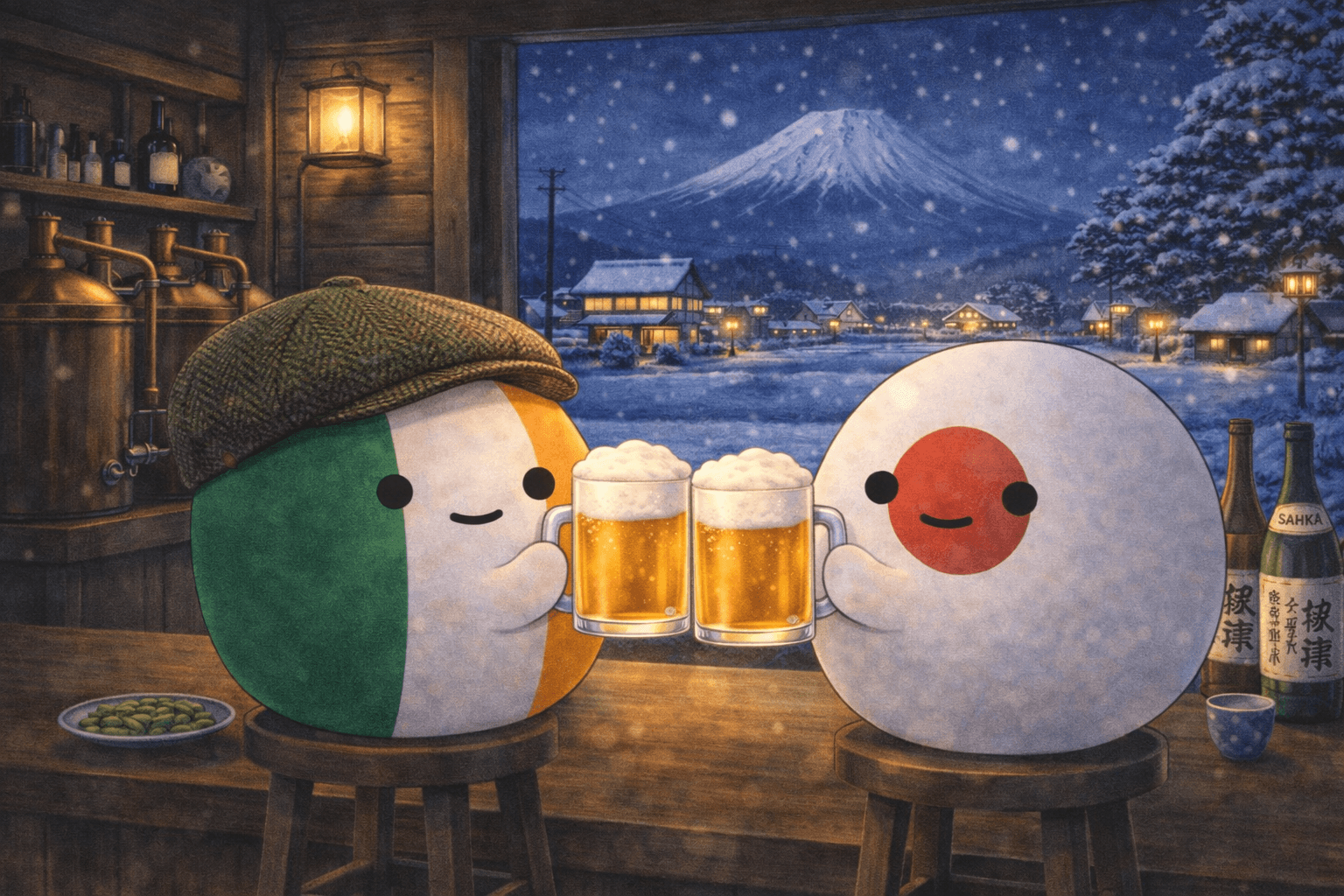
Drinking and Nightlife

Drinking and Nightlife

Visit the best places to drink and have fun in Japan. Whether its enjoying the clubs and izakayas or going out to local breweries in the countryside, Japan has a unique and fun drinking culture.

VIEW TOURSFree Self-Guided Tours and Guides
Study Spaces and Public Libraries

Study Spaces and Public Libraries

If you want to buckle down and study in Japan, here are a list of the best places to study including public libraries!

VIEW TOURSFree Self-Guided Tours and Guides
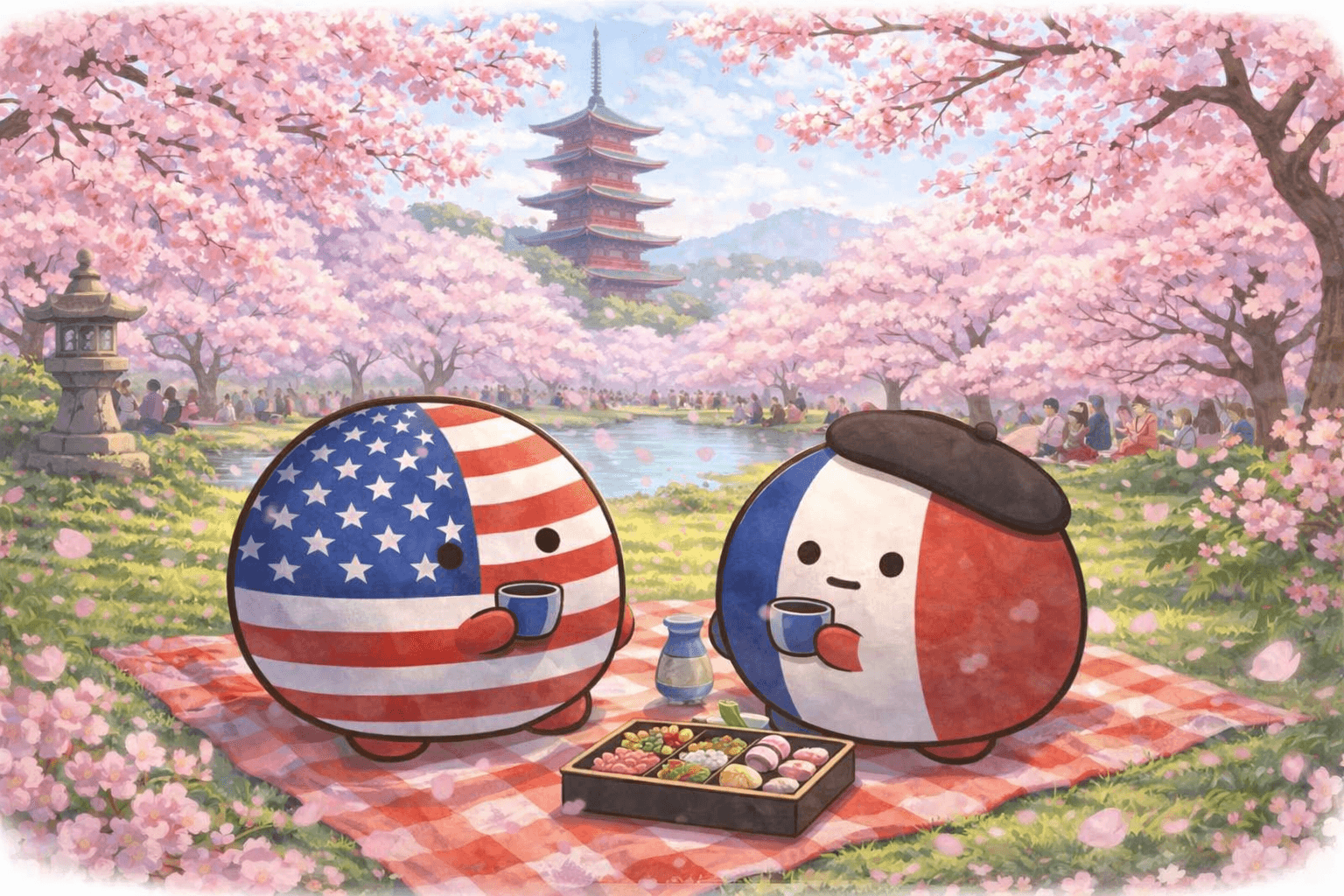
Cherry Blossoms

Cherry Blossoms

Visit the best cherry blossoms in Japan! From cherry blossoms in the city to places where you can avoid-tourist traps and have a more local experience.

VIEW TOURSFree Self-Guided Tours and Guides
Hiking

Hiking

For those who like the outdoors, you can use this guide to visit the best hiking spots in Japan and also a full day of other places to visit around the hiking spots!

VIEW TOURSFree Self-Guided Tours and Guides
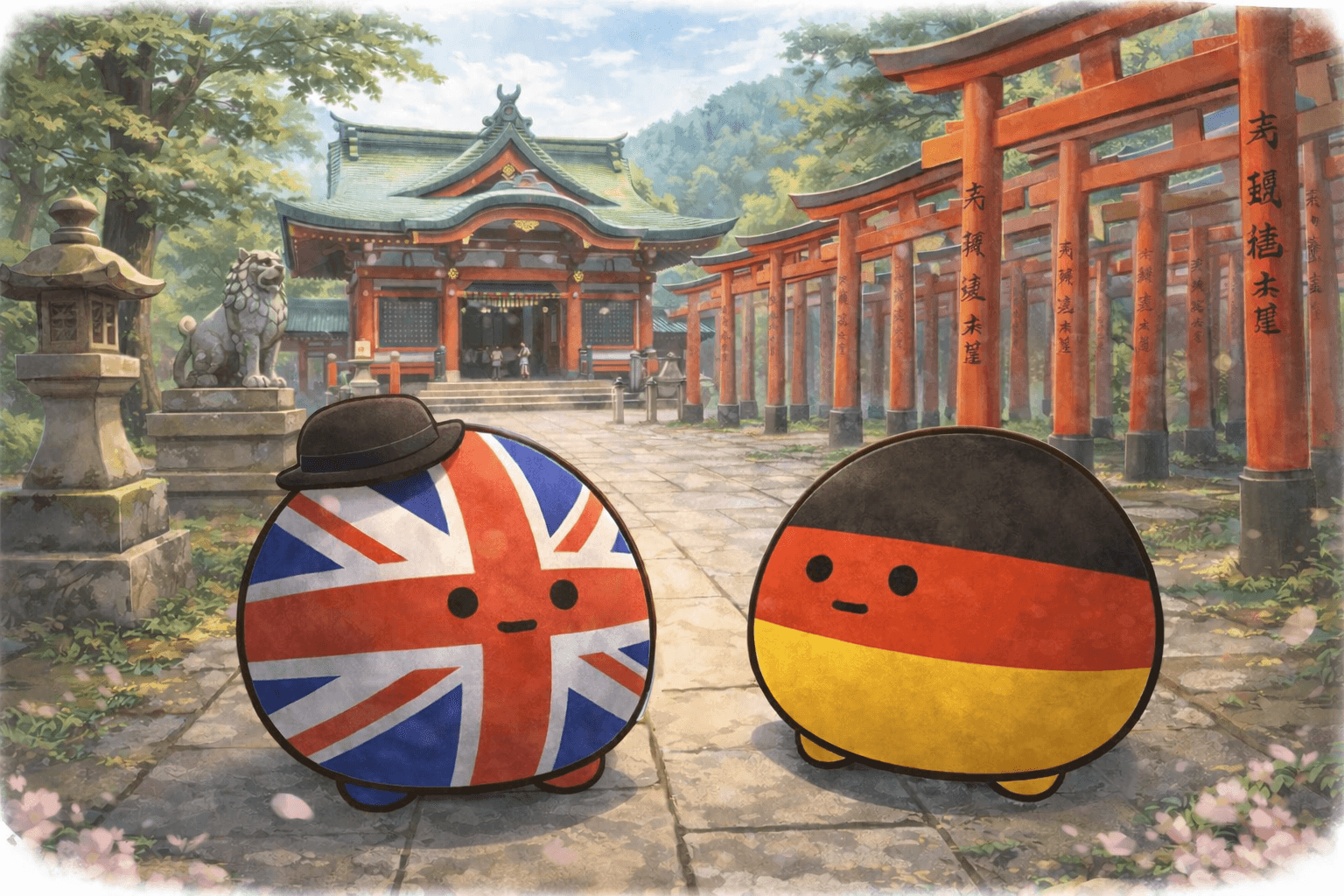
Temples and Shrines

Temples and Shrines

Explore the many Buddhist Temples and Shinto Shrines in Japan! There are big famous ones in Japan but even the smallest towns in Japan have temples and shrines.

VIEW TOURSFree Self-Guided Tours and Guides
Amusement Parks

Amusement Parks

Tours and guides for those coming to Japan with your family! You can even go with you friends to these amusement parks in Japan.

VIEW TOURSFree Self-Guided Tours and Guides
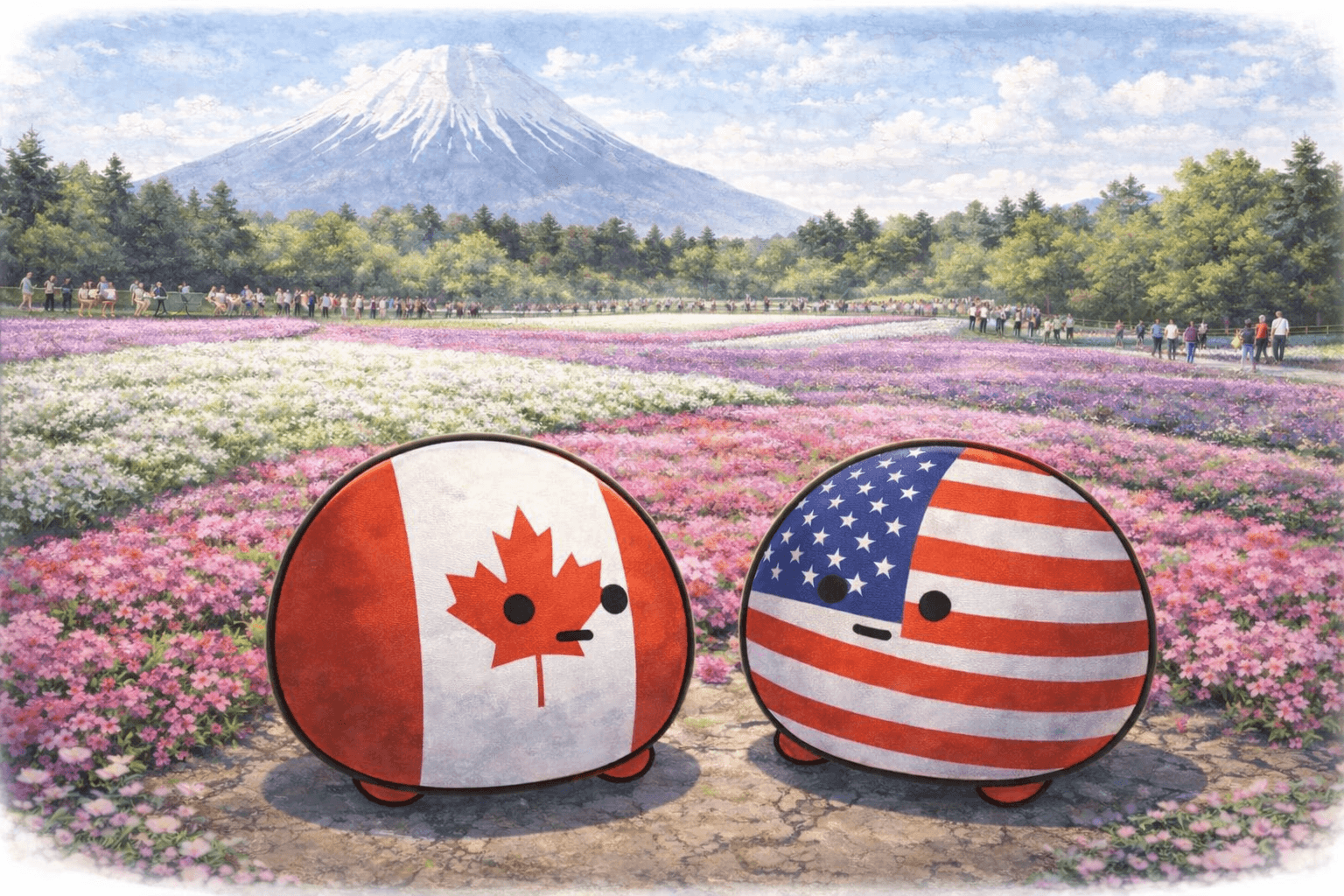
Flower Fields and Gardens

Flower Fields and Gardens

Japan has many flower fields called Ohana-Batake in Japanese. These can be seasonal and when they are in full bloom, they create an entire field of flowers.

VIEW TOURSFree Self-Guided Tours and Guides
Surfing Spots and Beaches

Surfing Spots and Beaches

Explore Japan's surf culture as well as enjoy a day at the beach! Tours and guides that include things to do around the beach towns of Japan.

VIEW TOURSFree Self-Guided Tours and Guides
Industrial Spots

Industrial Spots

Explore the many museums and heritage sights that teach you about the history of Japan's industries.

VIEW TOURSFree Self-Guided Tours and Guides
Castles

Castles

There are many castles around Japan as a result from its extensive history of samurai battles and wars between warlords. Here is information on castles around Japan!

VIEW TOURSFree Self-Guided Tours and Guides
Seasonal Festivals

Seasonal Festivals

Japan is known for its festivals called Omatsuri. Explore Japan's best seasonal festivals and cultures!

VIEW TOURSFree Self-Guided Tours and Guides
Volcanoes

Volcanoes

Japan is located on a earthquake fault line so there are many volcanoes in the country. These guides will help you choose which one to visit!

VIEW TOURSFree Self-Guided Tours and Guides
Islands: Remote and Inhabited

Islands: Remote and Inhabited

Japan is an island country with over 14,000 islands in a recent survey. Here are some tours to help you explore the best ones!

VIEW TOURSFree Self-Guided Tours and Guides
City Lights and Panoramic Spots

City Lights and Panoramic Spots

Here is a guide to help you go to panoramic spots where you can take photos of the vast terrain as well as enjoy the city lights from afar at night!

VIEW TOURSFree Self-Guided Tours and Guides

Learn More About Japan and Current Trends/News

In this section, we talk about cool things in Japan and trending news. Read up on what is happening in Japan currently, unique things in Japan and other fun articles.

Learn About Japan / ArticlesCulture · Trends · News
Learn more about Japan

Where to Go in Japan

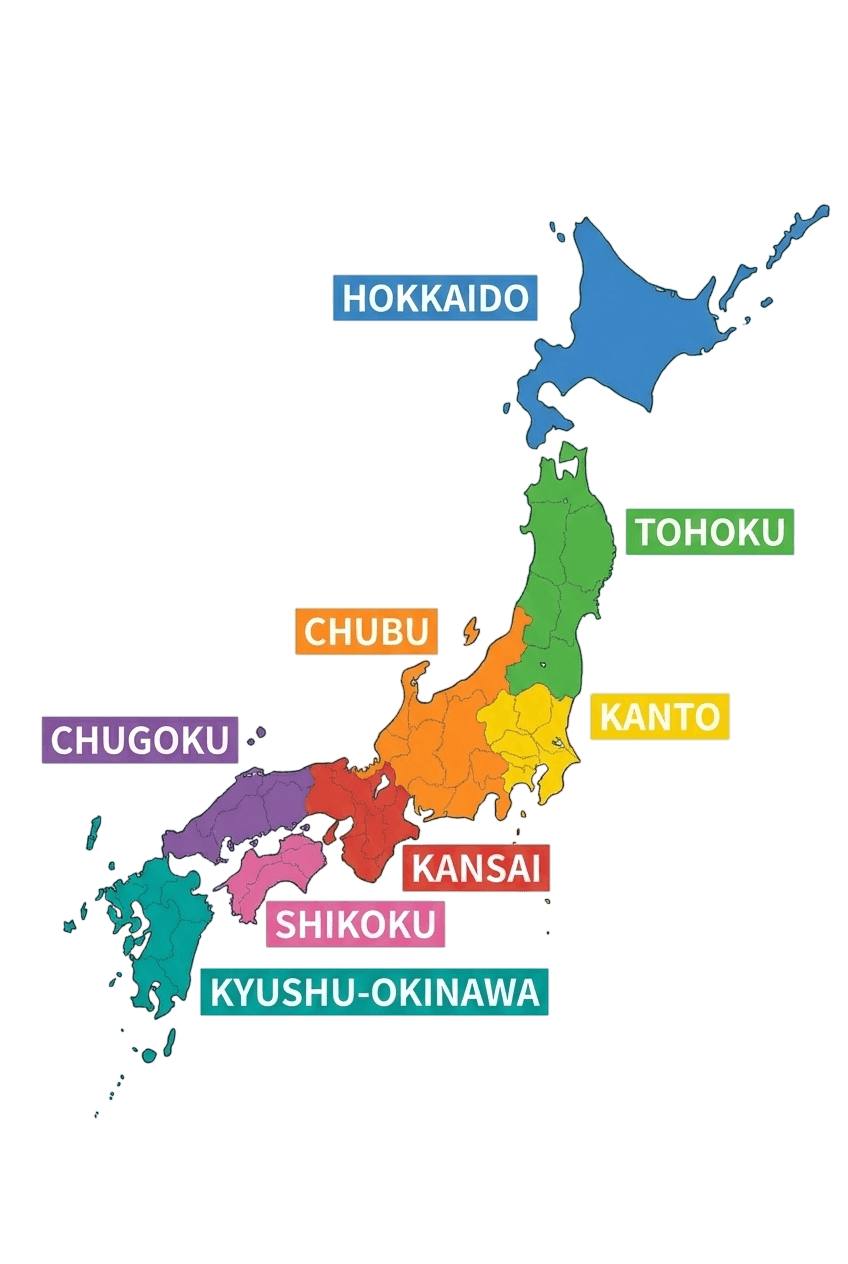
Japan is made up of eight different major regions: Kyushu/Okinawa (九州・沖縄), Chugoku (中国), Shikoku (四国), Kansai (関西), Chubu (中部), Kanto (関東), Tohoku (東北), and Hokkaido (北海道).

Map of Japan and the Major Regions

Hokkaido

Japan’s northern frontier—wide open landscapes, national parks, powder snow, and fresh seafood. Best for skiing, summer escapes, scenic driving, and avoiding crowds.

Tohoku

Rugged, rural, and deeply traditional. Known for hot springs, dramatic coastlines, snow festivals, and some of Japan’s most underrated countryside.

Kanto

Home to Tokyo and Japan’s modern core. Hyper-urban energy mixed with easy day trips to mountains, beaches, temples, and historic towns like Nikko and Kamakura.

Chubu

The heart of Honshu and Japan’s mountain backbone. Famous for the Japanese Alps, traditional villages, scenic rail routes, and historic post towns.

Kansai

Japan’s cultural soul. Kyoto, Osaka, and Nara deliver temples, street food, historic districts, and a more relaxed, expressive atmosphere than Tokyo.

Chugoku

Often overlooked but rich in history and scenery. Home to Hiroshima, quiet coastal towns, scenic islands, and traditional castle cities.

Shikoku

Japan’s most laid-back island. Known for pilgrimage routes, river valleys, mountain villages, and some of the best scenic drives in the country.

Kyushu

Volcanic landscapes, hot spring towns, and a warmer climate. Famous for food culture, onsen, active volcanoes, and a more relaxed pace of life.

Okinawa

Subtropical islands with a unique culture distinct from mainland Japan. Coral reefs, turquoise waters, Ryukyu history, and a slower, island-based lifestyle.

Best Rural Japanese Towns

  • Iya Valley (Tokushima)

    Remote mountain valley with vine bridges and ancient thatched-roof hamlets.

  • Ine (Kyoto)

    Unique fishing village where ”Funaya” boathouses line the bay directly on the water.

  • Tsumago & Magome (Nagano)

    Preserved post towns on the Nakasendo trail with car-free stone streets.

  • Obuse (Nagano)

    Artistic town famous for chestnuts and Hokusai’s final masterpieces.

  • Ouchijuku (Fukushima)

    Former post town with massive thatched roofs lining a wide dirt road.

  • Kamikatsu (Tokushima)

    Japan’s zero-waste village nestled in terraced rice fields and mountains.

  • Biei (Hokkaido)

    A rolling landscape of colorful flower patches and the famous ”Blue Pond.”

  • Taketa (Oita)

    A quiet castle town known for its dramatic stone ruins and bamboo festivals.

  • Asuka (Nara)

    The birthplace of the Japanese state, filled with ancient megalithic stone monuments.

  • Tono (Iwate)

    The cradle of Japanese folklore, home to the legend of the Kappa water spirits.

Best Japanese Towns With Old Architecture

  • Shirakawa-go (Gifu)

    Iconic triangular Gassho-zukuri farmhouses built to shed heavy winter snow.

  • Kurashiki Bikan (Okayama)

    White-walled storehouses and willow-lined canals from the Edo period merchant era.

  • Higashi Chaya (Kanazawa)

    The most beautiful Geisha district outside of Kyoto, featuring dark wood lattices.

  • Kawagoe (Saitama)

    Known as ”Little Edo,” famous for its clay-walled warehouse district (Kurazukuri).

  • Sawara (Chiba)

    A riverside merchant town with original structures dating back to the 1800s.

  • Hagi (Yamaguchi)

    Incredibly well-preserved Samurai district with white plaster walls and orange trees.

  • Kakunodate (Akita)

    The ”Kyoto of the North,” boasting wide streets and massive Samurai manor houses.

  • Gojo-zaka (Kyoto)

    The steep, winding lanes leading to Kiyomizu-dera lined with traditional pottery shops.

  • Uchiko (Ehime)

    A wax-producing hub with elegant pale-yellow plaster walls and a Kabuki theater.

  • Chiran (Kagoshima)

    Features seven distinct Samurai gardens integrated into a single historic street.

Best Places to go in Kyoto

  • Fushimi Inari-taisha

    The legendary mountain path covered in 10,000 bright vermilion torii gates.

  • Kinkaku-ji (Golden Pavilion)

    A Zen temple where the top two floors are completely covered in real gold leaf.

  • Gion District

    The historic entertainment district where Maiko and Geiko can be spotted at dusk.

  • Arashiyama Bamboo Grove

    A soaring forest of bamboo that creates a mesmerizing, auditory experience.

  • Kiyomizu-dera

    A massive wooden stage built without a single nail, offering views over the city.

  • Nishiki Market

    ”Kyoto’s Kitchen,” a long gallery of shops selling traditional snacks and ingredients.

  • Philosopher’s Path

    A cherry-tree lined canal path that is perfect for contemplative walking.

  • Ryoan-ji Zen Garden

    The world’s most famous dry landscape garden featuring 15 mysterious stones.

  • Pontocho Alley

    A narrow, atmospheric street packed with riverside dining and hidden bars.

  • Sanjusangendo

    A hall containing 1,001 life-sized statues of Kannon, the goddess of mercy.

Best Places for Shopping in Japan

  • Ginza (Tokyo)

    The hub of luxury fashion, flagship boutiques, and high-end department stores.

  • Akihabara (Tokyo)

    The Electric Town, unmatched for electronics, anime, and gaming subculture gear.

  • Shibuya (Tokyo)

    The center of youth fashion, home to the iconic 109 building and Parco.

  • Harajuku Takeshita St.

    Where street style is born—extreme fashion, vintage shops, and trendy snacks.

  • Denden Town (Osaka)

    Osaka’s equivalent to Akihabara, offering great deals on second-hand tech.

  • Shinsaibashi (Osaka)

    A 600-meter long covered shopping arcade with everything from Dior to Daiso.

  • Motomachi (Yokohama)

    A sophisticated, European-inspired shopping street with unique local brands.

  • Sakae (Nagoya)

    Massive underground malls and luxury department stores like Matsuzakaya.

  • Shimokitazawa (Tokyo)

    The mecca of vintage clothing and vinyl records in a bohemian atmosphere.

  • Kappabashi (Tokyo)

    The ”Kitchen Town” selling professional knives and realistic plastic food samples.

Best Hiking Spots in Japan

  • Mount Fuji (Shizuoka/Yamanashi)

    The ultimate bucket list climb. Best done from July to early September.

  • Kumano Kodo (Wakayama)

    Ancient forest pilgrimage trails connecting the three Grand Shrines of Kumano.

  • Kamikochi (Nagano)

    Pristine river basin hike surrounded by the 3,000m peaks of the Japanese Alps.

  • Mount Takao (Tokyo)

    A highly accessible day-trip hike with multiple trails and a mountain-top temple.

  • Daisetsuzan (Hokkaido)

    The largest national park in Japan, famous for its wild, alpine tundra terrain.

  • Mount Misen (Miyajima)

    Forest trails leading to a peak with breathtaking views of the Seto Inland Sea.

  • Yakushima (Kagoshima)

    Ancient cedar forests that inspired Princess Mononoke, some trees are 7,000 years old.

  • Mount Aso (Kumamoto)

    Hiking around the rim of one of the world’s largest volcanic calderas.

  • Dewasanzan (Yamagata)

    A spiritual trek through three sacred mountains representing birth, death, and rebirth.

  • Mount Koya (Wakayama)

    The Choishi Michi trail takes you 24km up to the sacred Buddhist headquarters.

Best Roads in Japan for Driving

  • Shimanami Kaido

    70km of bridges hopping across six islands in the Seto Inland Sea.

  • Irohazaka Road (Nikko)

    Two separate one-way roads with 48 hairpin turns winding up to Lake Chuzenji.

  • Venus Line (Nagano)

    Highland driving route offering stunning vistas of the Southern Alps and Mt. Fuji.

  • Bandai-Azuma Skyline

    A volcanic mountain road that feels like driving on the surface of the moon.

  • Roller Coaster Road (Hokkaido)

    A perfectly straight, 4.5km road in Furano that rises and falls like a wave.

  • Hakone Turnpike

    The ”Nürburgring of Japan,” a private mountain pass beloved by car enthusiasts.

  • Tsunoshima Bridge (Yamaguchi)

    A stunning white bridge crossing turquoise waters to a tiny, lush island.

  • Chirihama Nagisa Driveway

    The only beach in Japan where you are legally allowed to drive on the sand.

  • Aso Panorama Line

    Sweeping curves through the green grasslands inside the Aso volcanic caldera.

  • Nichinan Coast (Miyazaki)

    Palm-lined tropical coastal driving along the Pacific Ocean cliffs.

Best Hot Spring and Onsen Towns in Japan

  • Kinosaki Onsen (Hyogo)

    Walk the willow-lined canal in a yukata and visit all seven public bathhouses.

  • Kusatsu Onsen (Gunma)

    Centered around the ”Yubatake” (hot water field), yielding massive amounts of sulfur water.

  • Kurokawa Onsen (Kumamoto)

    A secluded forested town where you can purchase a wooden pass for multiple baths.

  • Nozawa Onsen (Nagano)

    Village-owned baths maintained by the locals, perfect for post-skiing soaking.

  • Beppu (Oita)

    The largest onsen town, famous for its steam vents and boiling mud ”hells.”

  • Arima Onsen (Hyogo)

    One of Japan’s oldest springs, featuring unique reddish-brown ”Gold Water.”

  • Noboribetsu (Hokkaido)

    The ”Demon” town, home to Jigokudani (Hell Valley) and natural sulfur springs.

  • Ginzan Onsen (Yamagata)

    A Taisho-era river town that looks magical under gaslights in the winter snow.

  • Dogo Onsen (Ehime)

    Home to the bathhouse that inspired Studio Ghibli’s ”Spirited Away.”

  • Gero Onsen (Gifu)

    Considered one of the three ”best” springs in Japan since the Edo period.

Best Japanese Food

  • A5 Wagyu Beef

    Unbelievably marbled beef from regions like Kobe, Matsusaka, or Saga.

  • Tsukemen (Dipping Ramen)

    Thick, cold noodles dipped into a concentrated, hot umami broth.

  • Takoyaki (Osaka)

    Crispy dough balls filled with octopus, topped with sauce, mayo, and bonito flakes.

  • Kaiseki Ryori

    Multi-course haute couture Japanese dining that changes with the micro-seasons.

  • Fresh Sushi (Toyosu Market)

    High-grade fish caught and served at the world’s largest seafood market.

  • Okonomiyaki (Hiroshima)

    Layered savory pancakes with noodles, cabbage, pork, and a fried egg.

  • Tonkatsu (Kurobuta)

    Deep-fried panko pork cutlets, best made from the black pigs of Kagoshima.

  • Unagi no Kabayaki

    Freshwater eel grilled over charcoal with a sweet and savory glaze.

  • Matcha Desserts (Uji)

    Soft serve, mochi, and cakes made from the world’s finest green tea powder.

  • Yakitori (Omoide Yokocho)

    Skewered chicken grilled over white binchotan charcoal in smoky alleys.

Going to Japan for the First TimeWhat You Should Know Before You Land

If it’s your first time in Japan, here are some simple tips and tricks to help you navigate your way through the country with minimal trouble along the way!

🧳

First Time in Japan

Visiting Japan for the First TimeTravel Tips

1) When you First Land, Get Cash Quick

Japan is still heavily relient on cash in many places. When you land in Japan, most likely in Haneda or Narita International Airport, make sure you grab Japanese yen or convert it from your local currency. Make sure to look around before going to the first currency exchange you see. Sometimes there is another currency exchange station in the airport will have better rates due to them being run by competing companies.

2) Public Transportation

You can buy train tickets at the ticket machines called ”Kenbaiki” in Japanese. There will always be a map that shows how much to spend on your ticket from your departure station (usually on top of the ticket machines). However, buying an IC card is the most convenient way to travel because you just load up that one card and you can reuse it for pretty much all train and bus travels as well as buying all sorts of things with it.

3) Avoid tourist traps by changing the timing

The simplest “local hack” is not a secret location—it’s going at the right time. Temples, markets, viewpoints, and popular streets feel completely different early morning or late afternoon compared to midday crowds.

4) Eat like a normal person (not a checklist)

You don’t need to chase the “top 10” spots. Japan has a high baseline quality. Walk into a busy place near stations, order one main + one side, and you’ll probably have a great meal. Save the high-effort reservations for one special night.

5) Etiquette basics that instantly help
  • Keep your voice low on trains and indoors.
  • Stand on the correct side of escalators (varies by city).
  • Don’t eat while walking in crowded areas.
  • Carry a small trash bag—bins aren’t everywhere.
  • Cash still matters at smaller shops and rural towns.
Bottom line:

Keep it simple, learn trains, and let Japan reveal itself naturally.

🏂

Winter in Japan

Winter Season + Powder in JapanThe real guide to snow trips

Japan’s winter is famous for “Japow” (light, dry powder)—but the best trips aren’t only about skiing. Winter is also when onsen towns feel magical, food gets heavier and better, and small mountain villages become quiet and cinematic.

1) Where the best powder usually is

Hokkaido is the safest bet for consistent snowfall (Niseko and beyond), while Nagano (Hakuba) delivers big terrain and a strong resort scene. Tohoku is underrated: fewer crowds, strong snow quality, and a more local atmosphere.

2) Timing matters more than hype

Mid-winter is usually best for deep snow. Early season can be rocky; late season can become heavier snow depending on region. The best trips stay flexible: aim for winter months, then pick the exact week based on forecast and conditions.

3) Your “snow day” needs a recovery plan

The Japan winter cheat code is: ski/ride → onsen → big dinner → sleep early. If you’re sore and exhausted, you won’t enjoy the next day. Onsen culture turns hard winter travel into something sustainable and enjoyable.

4) Practical winter travel tips
  • Pack layers: base layer + mid layer + shell beats one huge coat.
  • Bring waterproof boots—snow towns get slushy near station areas.
  • Reserve popular routes early (especially weekends and holidays).
  • If driving, use winter tires and assume mountain roads can close.
  • Don’t underestimate wind—mountain lift lines can feel brutal.
5) If you don’t ski, winter is still worth it

Winter towns like Ginzan, Nozawa, Kusatsu, and smaller onsen areas are perfect for “snow vibes” without ski gear. The best winter trip can be: snowfall streets → onsen baths → warm food → quiet nights.

Bottom line:

Powder is the headline, but onsen + food + scenery is the full winter experience.